How to Choose the Right Window Coverings for Your Annapolis Home
If you're shopping for Annapolis window coverings, you want solutions that look great, control light, and stand up to our coastal climate. This guide walks you through the key choices so your new treatments fit your rooms, routine, and style.
Before you fall in love with a fabric or color, decide what each room needs most. Are you battling glare off the creek in Eastport, protecting wood floors in West Annapolis, or keeping bedrooms dark for better sleep near Parole? Clarifying the goal helps you choose the right opacity, lift style, and material. If you'd like one-on-one advice as you compare window treatments, keep reading for the best ways to match form and function.
Start With Your Home's Goals and Light
Every window has a job. Bay-front views near Bay Ridge beg for glare control without killing the scene. Street-facing rooms in the Historic District may need privacy during the day, while basements in Homewood crave more natural light. Take a slow lap around your home at different times and note what each window is doing.
- Morning: Where does the sun hit hard and create eyestrain or heat?
- Afternoon: Which rooms get glare from water, sidewalks, or cars?
- Evening: Where do you feel exposed with lights on indoors?
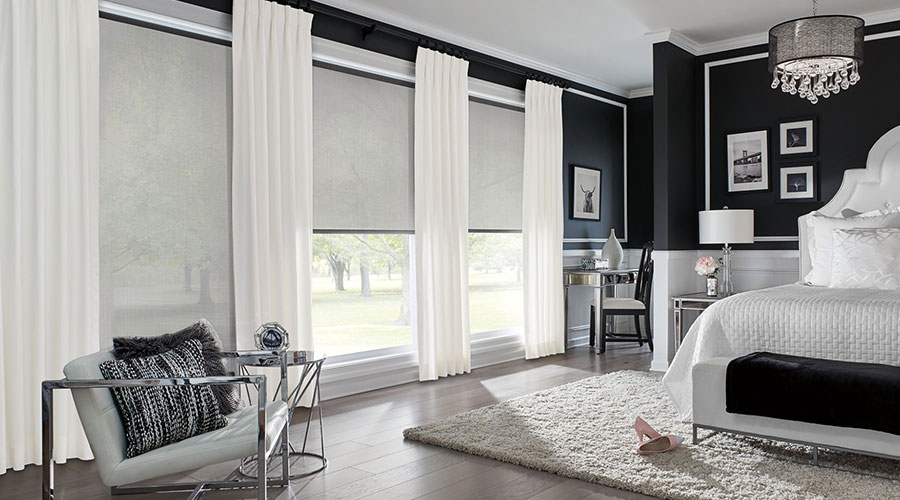
Don't guess on light control; pair your goal to an opacity level like light-filtering, room-darkening, or blackout to get the result you expect. Sheer shades and layered fabrics soften sunlight in a living room without blocking views, while room-darkening or blackout fabrics support rest in nurseries and primary suites.
Match Materials to Weather and Architecture in the Area
Our summers are humid, breezy, and bright, and winters can be chilly with strong sun on clear days. Materials that handle moisture and salt air around the Severn River and Chesapeake Bay are safer long-term choices, especially for kitchens, baths, and waterfront homes.
Here's how popular options stack up in Annapolis:
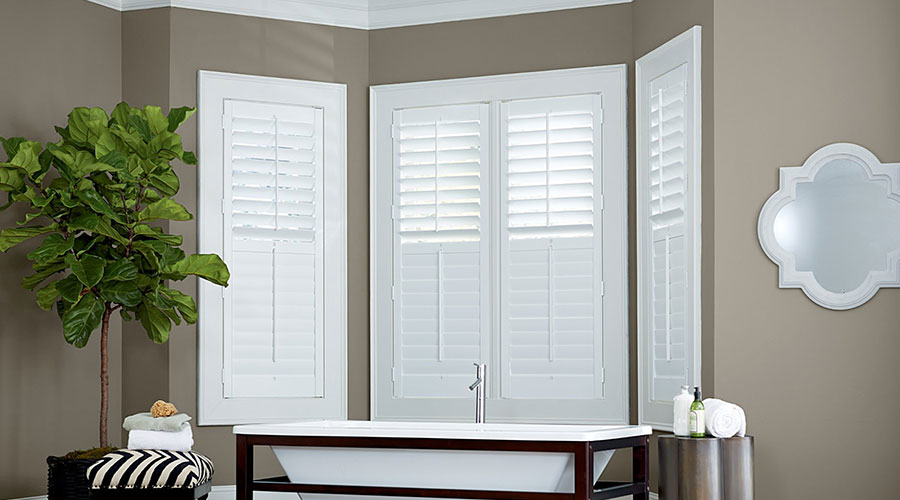
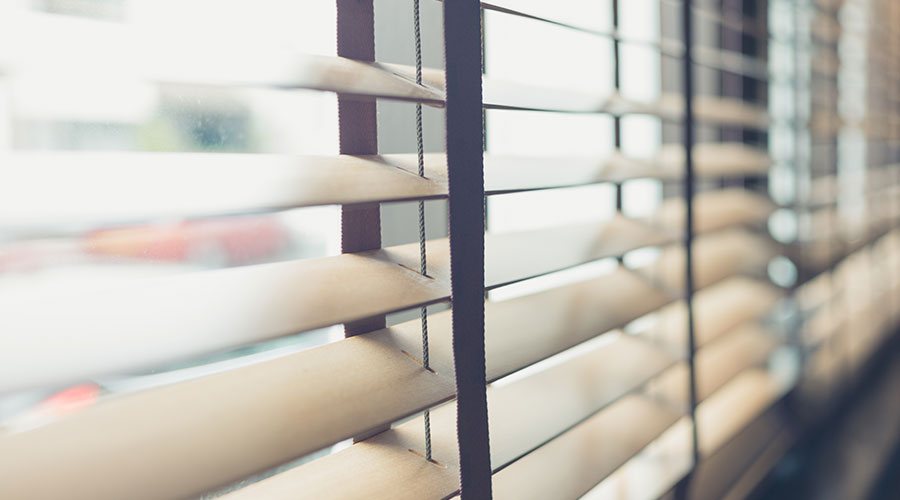
- Faux wood blinds: Classic look without the warping risk of real wood in steamy rooms.
- Cellular shades: Excellent insulation for drafty historic windows and energy savings in all seasons.
- Woven woods: Natural texture that suits coastal decor; add liners for privacy and light control.
- Roller shades: Clean, low-profile style with easy cleaning and wide fabric choices.
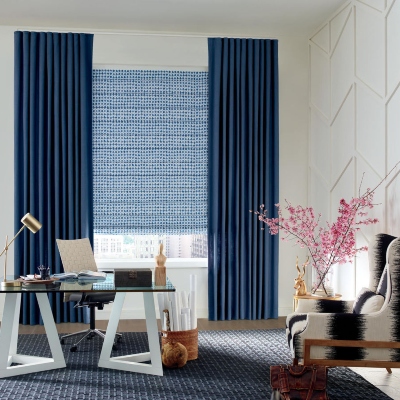
- Drapery panels: Soften acoustics in open plans and layer beautifully over shades for flexibility.
In older homes near the Naval Academy and downtown, narrow casings and unique trim are common. Low-profile shades that mount inside the frame keep that character visible. In newer builds around Admiral Heights or Hillsmere Shores, larger windows welcome layered solutions—pairing cellular shades for insulation with side panels for style.
Privacy and Light Control Room by Room
Rooms ask different things from your window coverings. Think about privacy first, then add the right way to filter or block light as needed.
- Bedrooms: Blackout cellular shades or layered drapery help you sleep better, especially if you face streetlights or early sun. A cordless lift keeps lines tidy and safe for kids.
- Living spaces: Sheer shades, woven woods with liners, or dual roller shades give you choices throughout the day. You can protect floors and art from UV while keeping the view toward Spa Creek or College Creek.
- Kitchens and baths: Moisture-friendly materials are key. Faux wood and vinyl-coated rollers resist humidity near sinks and showers. If your window is near a cooktop, smooth fabrics clean faster than textured weaves.
- Home offices: Glare ruins focus. Light-filtering rollers or solar shades cut brightness without making your Zoom background gloomy. If your desk faces a window, consider a top-down/bottom-up to keep the sky light while shielding the screen.
When rooms serve multiple purposes, flexible choices shine. Dual shades or layered treatments add range so you can work, relax, and host without fighting the sun. If you plan to upgrade in stages, start with the rooms that suffer most and add coordinating pieces later so the whole home feels connected.
Styles, Colors, And Hardware That Blend With Coastal Charm
Annapolis homes lean casual, crisp, and collected. Think soft whites, ocean blues, driftwood tones, and polished hardware that ages gracefully. Patterns can be playful in smaller spaces—a striped roman in a powder room or a subtle geometric in a breakfast nook—while main living areas often look best with solid, textured fabrics that won't date fast.
Color temperature matters. North-facing rooms benefit from warm neutrals to counter cooler light, while bright south-facing spaces near Eastport can handle cooler grays and airy whites. Match metals to the rest of your fixtures so rods, rings, and brackets feel intentional. Brushed nickel pairs well with coastal and contemporary styles; oil-rubbed bronze suits traditional trim and antique brass details found in older homes.
Consider how fabric falls. Romans read tailored, drapery reads elegant, and rollers read modern. If your home has varied ceiling heights, hang drapery higher to stretch the eye and keep panels just kissing the floor for a finished look.
Smart And Safe Options For Busy Annapolis Households
Between school runs, boat days, and dinner downtown, convenience helps. Motorized lifts let you adjust hard-to-reach windows, schedule scenes for sunrise and bedtime, and integrate with smart assistants. Battery options avoid wiring and keep trim intact in historic homes.
Safety belongs at the top of the list. Ask about child-safe cordless systems and compliant shrouded controls for any window coverings installed in nurseries, playrooms, and pet-friendly spaces. They reduce risk and deliver a cleaner, modern look you'll appreciate every day.
Noise reduction and insulation also make a difference. Cellular and layered fabrics dampen echoes in open plans and help stabilize temperatures when winter winds pick up off the water. In sunrooms and three-season porches, consider UV-stable fabrics that won't fade quickly.
Coastal climates bring heat, glare, and humidity. Choosing moisture-resistant materials and UV-rated fabrics helps your shades last longer and keeps colors true through Annapolis summers and bright winter days.
Measuring, Installation, And Maintenance That Last
Gaps, tilt, and drag usually trace back to poor measuring or the wrong mount type. Inside mounts look custom and save space, but they need square frames and enough depth. Outside mounts cover flaws, add presence, and block more light for bedrooms and media rooms. If you have original windows with charming but shallow casings, a slim headrail, and careful placement provide a clean fit.
Think ahead to cleaning. Rollers wipe down easily, cellulars vacuum with a brush attachment, and drapery benefits from occasional steaming to release wrinkles. Homes near the water may collect fine salt and pollen; schedule a seasonal touch-up when you swap porch cushions or change HVAC filters.
Mounting height and width change everything. Extending drapery rods several inches beyond the frame lets you stack fabric off the glass so your view stays open. For shades, precise width keeps edges straight and light leaks minimal. If you're layering, confirm that projections and brackets play nicely together.
Real-World Pairings For Annapolis Homes
Here are a few combinations that work well across neighborhoods:
- Historic rowhome near City Dock: Light-filtering roman shades with interlining for a tailored look, paired with slim inside mounts to respect original trim.
- Waterfront cottage in Bay Ridge: Woven wood shades with privacy liners and drapery panels on rings for texture, movement, and nighttime coverage.
- Family colonial in Admiral Heights: Blackout cellular shades in bedrooms for rest, solar rollers in the office for screen time, and washable drapery in the living room for easy upkeep.
- Contemporary townhome off Bestgate Road: Minimal roller shades in a soft gray with discreet fascia, plus motorized clerestory shades you can automate at sunrise.
Budgeting Priorities Without Sacrificing Style
Since homes have many windows, it pays to phase projects with intention. Tackle critical rooms first—bedrooms, media rooms, and offices—then move to the living areas. Use consistent base fabrics across the main floor so everything feels cohesive, and add pattern or contrast in small doses where it counts, like a reading nook or mudroom.
Be strategic with liners. A well-chosen liner can turn a beautiful fabric into a year-round performer by boosting privacy, UV protection, and insulation. Hardware is worth the upgrade too; sturdy brackets and smooth tracks make daily use feel premium.
Common Pitfalls To Avoid
- Skipping samples: Fabrics shift color in real light. Always check swatches by your windows at different times of day.
- Forgetting scale: Tiny patterns can get lost on tall windows, while loud prints dominate small rooms. Balance pattern size with window size and ceiling height.
- Overlooking operations: Corded lifts on tall windows can look messy and feel annoying. Motorized or continuous-loop options keep things tidy and functional.
- Mixing too many finishes: Pick one dominant metal and one supporting finish so rods, rings, and pulls feel connected throughout the home.
How To Compare Options With Confidence
When you're choosing fabrics, opacity, and lifts, organize your thoughts like a checklist you can revisit room by room:
- Goal: View, privacy, darkening, or a mix?
- Light: Harsh glare, soft light, or shaded most of the day?
- Moisture: High humidity or near water sources?
- Operation: Cordless, motorized, or traditional?
- Style: Coastal casual, historic classic, or modern minimal?
Bringing this clarity to a design visit saves time and helps you land the right choice on the first try. You'll also spot easy wins, like adding a privacy liner to a favorite fabric or swapping a standard lift for cordless to clean up the look.
Where Local Experience Makes The Difference
Annapolis homes aren't one-size-fits-all. Trim depth in historic houses, sun angles near the water, and room use patterns change which product performs best. That's where a seasoned pro with local experience streamlines the process. If you want a fabric-first approach, layered solutions, or tech-forward control, you can compare options side by side and feel how they operate before you decide.
When your project moves from idea to install, precise measuring and thoughtful mounting are everything. A pro accounts for out-of-square frames, obstructions, and the way fabric relaxes over time, so your shades hang straight, lift smoothly, and look custom from day one.
Bring Your Vision To Life
Ready to narrow your short list? Explore materials and see how they handle Annapolis light in person. If energy savings are a goal, ask to compare R-values of cellular fabrics. Want softer acoustics for an open-plan living room? Layer a textured drapery over a quiet roller shade and hear the difference instantly. When daytime privacy matters without losing the view, a dual fabric approach lets you float between sheer and solid in seconds.
We're proud to be your local Annapolis window coverings company, offering guidance that fits historic homes, waterfront views, and busy family schedules. From measuring to installation, Window Expressions keeps the process simple and the results consistent across every room.
Ready to choose window coverings that look great and work even better? Call 410-757-5200 today to schedule your in-home design visit and get expert recommendations tailored to your Annapolis rooms.
